The New York Sack Exchange: Jets Legends Who Revolutionized NFL Defense
The annals of NFL history are replete with tales of dominant defensive units, but few have etched their names into the sport’s lexicon with the indelible force of the New York Sack Exchange. For a fleeting yet unforgettable period from the late 1970s into the early 1980s, the New York Jets boasted a defensive line that didn't just win games; it fundamentally changed how the game was played and even how it was officially documented. While the Jets franchise has seen its share of formidable defenses, from the Super Bowl III-winning squad featuring Gerry Philbin and Verlon Biggs to the stout 2009 AFC Championship contender, none quite captured the imagination or wreaked as much havoc as Abdul Salaam, Joe Klecko, Marty Lyons, and Mark Gastineau—collectively known as
the New York Sack Exchange.
This legendary foursome didn't just terrorize opposing quarterbacks; they forced the NFL to acknowledge the very statistic that defined their dominance. Their aggressive, relentless style redefined defensive line play and became a blueprint for future generations. Let's delve into the genesis of their power, explore the individual brilliance of each member, and understand the lasting legacy of
the New York Sack Exchange.
The Genesis of Dominance: Unpacking The New York Sack Exchange Phenomenon
The period spanning the late 1970s and early 1980s was a particularly potent era for the New York Jets defense. The team struggled at times, playing in the often-maligned Shea Stadium, a "dated baseball stadium" that became a "dust bowl or a mud" pit, adding another layer of grit to their identity. Yet, it was amidst these challenging conditions that a defensive line began to coalesce into something truly special.
The term "New York Sack Exchange" wasn't merely a catchy nickname; it was a testament to their primary mission: bringing down the quarterback. Their collective prowess was undeniable, culminating in a franchise-record 53.5 sacks in the 1981 season. This statistic alone highlights their efficiency and impact, carrying the Jets to consecutive playoff appearances and positioning them as legitimate contenders in the AFC.
Perhaps their most significant, if unintended, legacy was their direct influence on the NFL’s statistical record-keeping. Prior to 1982, sacks were not officially tracked. Quarterback pressures and takedowns were notable plays, but they weren't compiled as a formal measure of individual or team success. The sheer, overwhelming dominance of the Sack Exchange, consistently disrupting offensive schemes and punishing passers, made it impossible for the league to ignore. Their reign essentially forced the NFL’s hand, leading to the 1982 decision to officially record sacks as a statistic. This transformation underscores just how revolutionary and impactful
the New York Sack Exchange truly was, permanently altering how defensive excellence is measured and celebrated in professional football.
The Pillars of the Sack Exchange: Meet the Legends
The synergy of the Sack Exchange was remarkable, but it was forged from the distinct talents and personalities of its four core members. Each brought a unique skill set and temperament, combining to create an unstoppable force.
Abdul Salaam: The Unsung Anchor
Abdul Salaam, originally known as Larry Faulk, was the first of the legendary quartet to join the Jets, drafted in 1976. Adopting his new name in 1977, which means "servant of peace," belied his physically punishing and gritty playing style. Salaam's primary role was to shore up a league-worst run defense, a task he executed with consistent excellence. Standing 6’3” and weighing 262 pounds, he primarily lined up at defensive tackle for the Jets, though he had experience at both nose guard and defensive end in college.
While Salaam might have lacked the flamboyant reputation of some of his teammates, his effectiveness was undeniable. He was a quintessential run-stopper who also possessed a surprising ability to pressure the quarterback, unofficially tallying seven sacks in 1981 alone. His four career fumble recoveries further illustrate his disruptive presence. A prime example of his understated impact came in a pivotal 1981 victory against the Miami Dolphins. Down by three, Salaam recorded a crucial first-half sack and, even more critically, stopped a third-and-goal rushing attempt that could have sealed a Jets defeat. Though quarterback Richard Todd garnered headlines for the game-winning drive, the triumph wouldn't have been possible without Salaam's pivotal contributions—a testament to the often-overlooked yet fundamental work of a dominant defensive tackle.
Joe Klecko: The Versatile Dynamo
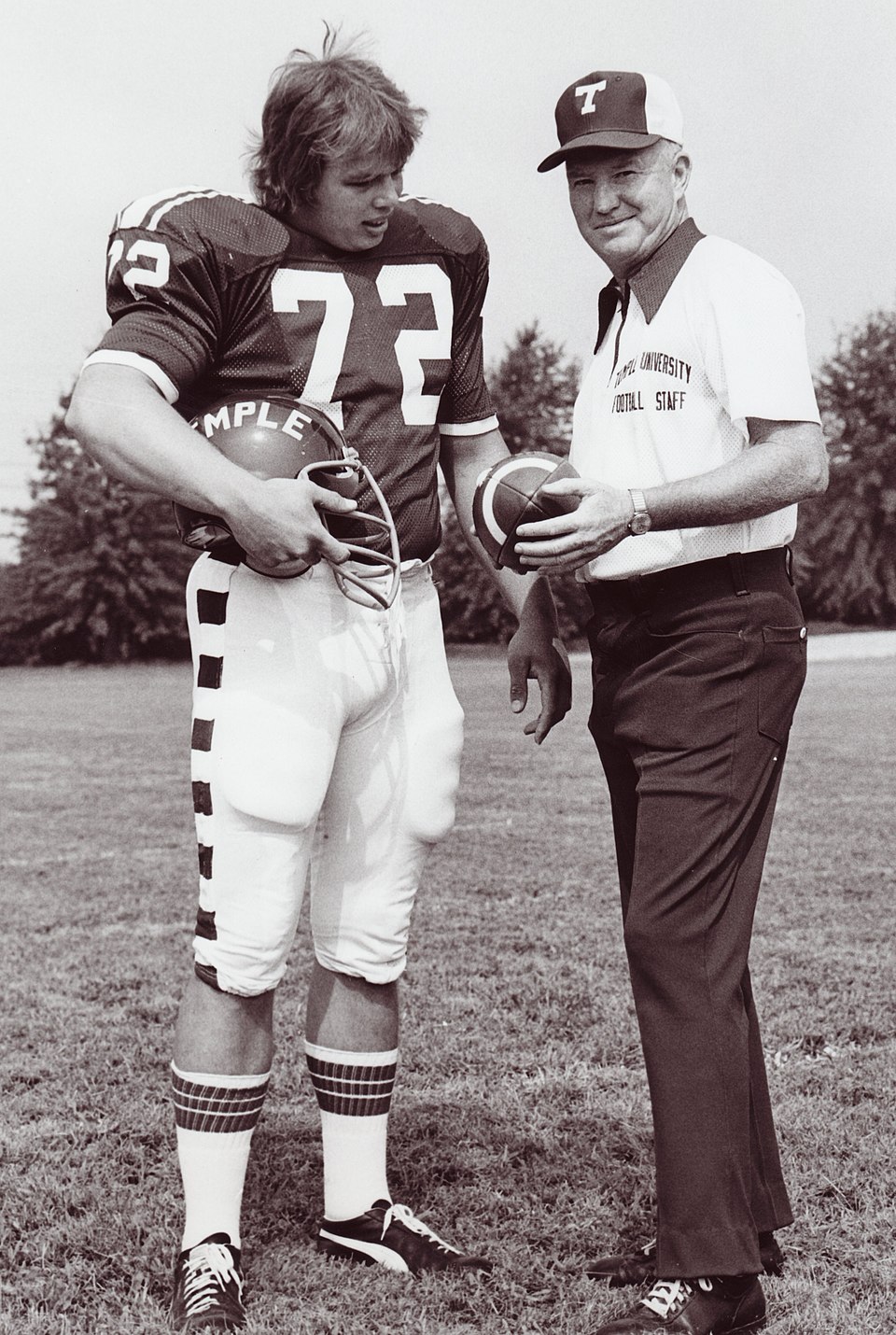
Joe Klecko, drafted by the Jets in 1977, was a truly singular talent whose versatility set him apart. His athletic prowess extended beyond the football field; he was a two-time collegiate club boxing heavyweight champion at Temple University, where he also led the football team in tackles for three consecutive seasons. This background speaks volumes about his toughness, agility, and competitive spirit.
Over his 11 illustrious years with the Jets, Klecko achieved an NFL first: he not only played all three defensive line positions (defensive end, defensive tackle, and nose tackle) but was also selected to the Pro Bowl at each. This unparalleled feat underscores his football intelligence and remarkable adaptability. Klecko made an immediate impact, recording eight sacks in his rookie season—a team record for a first-year player. His relentless drive, power, and technical skill made him a nightmare for opposing offensive linemen and a cornerstone of
the New York Sack Exchange. For a deeper dive into his illustrious career and contributions, check out
Joe Klecko and the Sack Exchange: A Deep Dive into Jets Defensive Dominance.
Marty Lyons: The Heart and Soul
Marty Lyons, joining the Jets in 1979, quickly established himself as a vital cog in the Sack Exchange machine. Often regarded as the intellectual and emotional leader of the line, Lyons brought an unwavering intensity and a fierce competitive spirit to every snap. While perhaps not as flashy as Gastineau or as versatile as Klecko, Lyons was an incredibly effective defensive tackle, excelling at both stopping the run and applying interior pressure. His toughness, consistency, and ability to disrupt blocking schemes were critical to freeing up his linemates for sacks.
Lyons's leadership was instrumental in maintaining the unit's cohesion, even when internal dynamics became contentious. His steady presence and ability to play through pain earned him the respect of teammates and opponents alike. He was the anchor that allowed the more flamboyant members of the group to shine, a testament to his selfless dedication to the team's success.
Mark Gastineau: The Sack Artist and Showman
Mark Gastineau, drafted in 1979, was the undisputed face of
the New York Sack Exchange, blending explosive athleticism with an undeniable flair for the dramatic. Gastineau redefined the role of the pass-rushing defensive end, employing a relentless motor and a repertoire of moves that often left offensive tackles grasping at air. He became famous not just for his incredible sack numbers, but also for his iconic "sack dance," which captivated fans and sometimes irked opponents.
Gastineau led the NFL in sacks in 1983 with 19 (a record at the time) and again in 1984 with 22, showcasing his pure dominance as a pass rusher. His combination of speed, strength, and an unquenchable desire to get to the quarterback made him one of the most exciting and feared defenders of his era. Gastineau's celebrity transcended football, bringing a new level of media attention to the Jets and solidifying the Sack Exchange's status as a pop culture phenomenon.
Beyond the Stats: The Lasting Legacy of The New York Sack Exchange
The impact of
the New York Sack Exchange extended far beyond their impressive stat lines and playoff appearances. They became cultural icons, representing a brand of hard-nosed, aggressive football that resonated with fans. While the ESPN 30 for 30 documentary, "The New York Sack Exchange," highlighted their on-field dominance and even their internal "bickering amongst themselves like Axl and Slash," it also underscored the profound bond and competitive drive that defined them. Despite any disagreements, their collective focus on terrorizing offenses never wavered.
Their legacy is not just about the numbers; it's about the inspiration they provided. They set a new standard for defensive line play, proving that a dominant front four could fundamentally alter the course of a game and a team's fortunes. Their influence is still felt today, in the emphasis placed on interior pressure and edge rushing in modern NFL defenses. Every time a pass rusher celebrates a sack, a piece of Gastineau's showmanship lives on. Every time a defensive coordinator schemes to bring down the quarterback, the ghost of the Sack Exchange smiles. To understand more about the personal dynamics and behind-the-scenes stories, read
Beyond the 30 for 30: The Contentious History of the New York Sack Exchange.
In an era where the Jets often found themselves in the "desert for over half a century" without another Super Bowl,
the New York Sack Exchange offered a legitimate beacon of hope and a consistent source of excitement. They were a testament to how individual brilliance, when molded into a cohesive and relentless unit, can achieve legendary status and leave an indelible mark on the sport.
Conclusion
The New York Sack Exchange remains one of the most iconic defensive units in NFL history. Abdul Salaam, Joe Klecko, Marty Lyons, and Mark Gastineau were more than just a defensive line; they were innovators, record-breakers, and culture shapers. They forced the NFL to officially recognize the sack, forever changing how we appreciate defensive prowess. Their synergy, despite their distinct personalities and sometimes contentious relationships, created a force that elevated the New York Jets and left an enduring legacy on the game of football. Their story is a powerful reminder that true dominance, whether quiet or flamboyant, is always rooted in an unyielding commitment to disrupting the opposition and making history.